

Almost any question works, as long as you can go and look at it yourself, and your teammates can do the same where they live. Sustainability is the root, but teams have worked on health, video games, fashion, sport, food, energy, water and the way cities live. Eight examples from more than 230.
2025/26
Health boosters compared: Switzerland meets Indonesia (dontwastemy.energy)
Abigail in Jakarta and Joas in Bülach met at an intercultural event and asked what strengthens health naturally. Abigail interviewed a pharmacist, Joas a former Miss Switzerland, and they compared how health is understood and lived in their two countries.
2025
Recycling paper in action (dontwastemy.energy)
Students from Nias and from the University of Indonesia recycled paper by hand and filmed every step.
2023
Video games and the environment (dontwastemy.energy)
Two students in Wetzikon measured the power draw of their games at different graphics settings; their teammates in India found that gaming hardware is so expensive there that many play on the phone, and buy a new one every ten years.
2023
The return of nature to the city (dontwastemy.energy)
Green roofs: interviews with Israeli students of energy and environmental technology, a visit to a kindergarten in Fischenthal, and mini-houses with planted roofs built by the children.
2019/20
Water supply in agriculture (dontwastemy.energy)
Lars and his team in Switzerland and a team in Kerala compared how farms get their water, with interviews on both sides.
2020
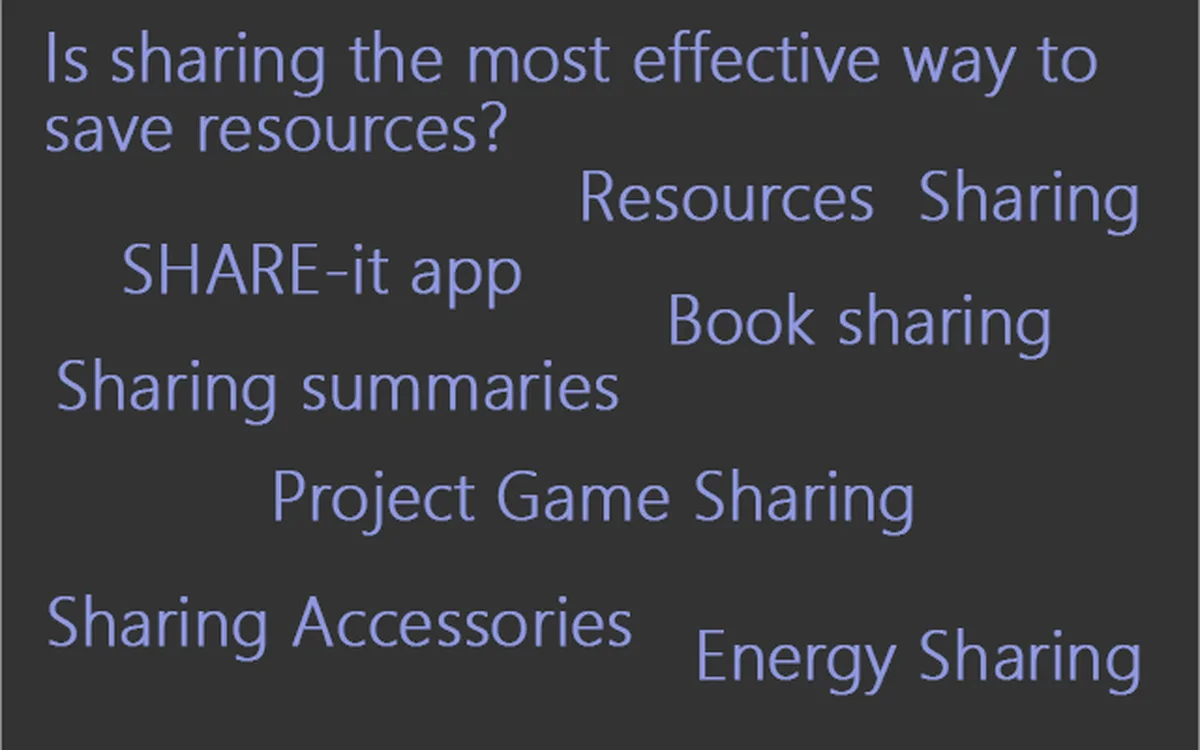
Is sharing the most effective way to save resources? (dontwastemy.energy)
A sharing app, book sharing, accessory sharing, energy sharing: students in Zurich put the idea to the test in their own lives.
2020/21
City climate and city trees (dontwastemy.energy)
Teams in Switzerland, India, Belgium, the Basque Country, Pakistan, Canada and Dubai measured heat, green space and concrete in their cities.
2019/20
Food and climate, with a food app (dontwastemy.energy)
A hundred and ten students on three continents recorded their daily food in an app built on KoBoToolbox and used the data for their projects.
What makes a good Horse project
- A question, not a topic. “Why do farms in Kerala and in Zurich get their water so differently?” beats “water”.
- Something you can go and look at. A place to visit, a person to interview, a thing to measure or try. The part that cannot be googled.
- Doable in each country. Every member does the same project where they live, so the team can compare. If it only works in one place, it is not a Horse project yet.
- Something to show. A video, an interview, a survey, photos, a chart: material that becomes a contribution other people want to read.
- Fits in about three months, beside school and work.
What is not a good Horse project
Pure desk research that could be done alone at a screen. Questions that need a laboratory or equipment your teammates abroad will not have. Anything that cannot be published, because the publication is the point. And projects with a fixed answer: the comparison across cultures is where the learning happens, and it only happens if the answers can differ.
Student collaboration projects
What students have made

2024–26
Collaborations 24/25/26
The Movetia-funded pilot and its follow-up: teams from Switzerland, India and Indonesia, and three international conferences.




 Feedback